
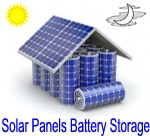
Solar panels and battery storage: are two key components of a renewable energy system that can help reduce your reliance on traditional fossil fuel-based electricity sources and provide various benefits, including cost savings and environmental advantages. Here's an overview of both solar panels and battery storage:
Solar Panels:
1. Solar Panel Basics: Solar panels, also known as photovoltaic (PV) panels, are devices that convert sunlight into electricity. They are made up of numerous solar cells that capture sunlight and generate direct current (DC) electricity.
2. How They Work: Solar panels use a process called the photovoltaic effect. When sunlight hits the solar cells, it excites electrons, creating an electrical current. An inverter converts this DC electricity into alternating current (AC), which is suitable for household use.
3. Installation: Solar panels are typically mounted on rooftops or on the ground in areas with ample sunlight. The number and orientation of panels depend on factors like your energy consumption, location, and available space.
4. Grid-Tied Systems: Many solar panel installations are grid-tied, meaning they are connected to the utility grid. Excess electricity can be fed back into the grid, and you can draw power from the grid when your solar panels are not producing energy.
5. Off-Grid Systems: Some installations are designed to be off-grid, which means they operate independently and store excess electricity in batteries for use during periods when the sun is not shining.
Battery Storage:
1. Battery Basics: Battery storage systems, or solar batteries, store excess electricity generated by your solar panels for use during cloudy days, at night, or during power outages. Common types include lithium-ion batteries and lead-acid batteries.
2. Advantages:
· Energy Independence: Battery storage allows you to rely less on the grid and store excess energy for when you need it.
· Backup Power: In case of power outages, battery systems can provide backup power to keep essential appliances running.
·
Time-of-Use Savings: Batteries can help you save money by storing energy when electricity rates are low and using it when rates are high.
· Reduced Grid Demand: Using stored energy during peak times can reduce strain on the grid.
3. Installation: Battery storage systems are typically installed alongside your solar panels. They connect to your inverter and can be sized according to your energy needs and preferences.
4. Maintenance: Modern lithium-ion batteries are relatively low maintenance compared to older lead-acid batteries. They require periodic monitoring and may need replacement after several years, depending on their lifespan.
5. Environmental Impact: Using battery storage in conjunction with solar panels can further reduce your carbon footprint by allowing you to use clean, renewable energy even when the sun isn't shining.
Important technical details to check
Solar PV systems with battery storage may not be eligible for the FIT's payments if the battery is installed before the generation meter.
One benefit of the Solax inverter charger is in the event of a power cut the inverter can power the home up to a maximum load of 2kW, a manual change over switch is required to isolate the incoming supply and an external earth rod is required to earth the property.
Conclusion
Before investing in PV solar panels and battery storage, it's crucial to conduct a thorough assessment of your specific energy needs, location, and financial situation. You should also get multiple quotes from reputable installers and carefully review warranties, performance guarantees, and contracts. Making an informed decision and setting realistic expectations can help ensure that these technologies provide you with the benefits you seek while avoiding any potential pitfalls.
Join us at Green Planet Advertiser,
Let's pave the way for a sustainable future together. Whether you're a vendor looking to expand your global reach or a consumer seeking the latest renewable energy innovations, our platform is your gateway to a greener, cleaner, and more sustainable world. Together, we'll create a brighter tomorrow powered by renewable energy.