
Youth for Climate Action refers to the collective efforts of young people around the world who are advocating for meaningful and urgent actions to address climate change.
Like any movement, there are both positive and negative aspects associated with Youth for Climate Action.
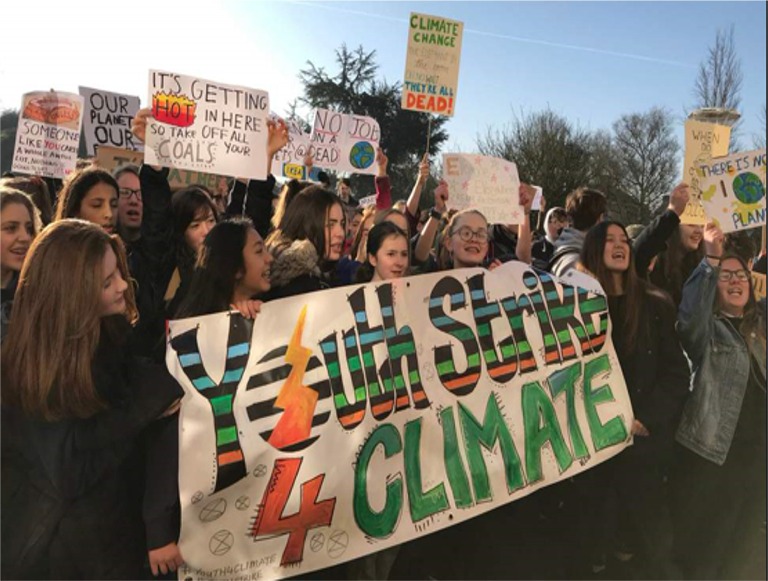
Key features of the Youth for Climate Action movement include:
The Good:
1.
Awareness and Advocacy:
Youth for Climate Action has played a crucial role in raising global awareness about the severity of climate change. Young activists, have become influential voices in urging governments and businesses to take immediate and substantial action.
2. Global Unity: The movement has brought together young people from diverse backgrounds and cultures, fostering a sense of global unity. This shared concern for the environment transcends borders, creating a powerful force for change.
3. Political Impact: Youth activism has influenced political agendas, with some policymakers acknowledging the urgency of climate issues and proposing or implementing policies to address them. Youth-led protests and demonstrations have been instrumental in pushing governments to declare climate emergencies.
4. Educational Opportunities: Youth engagement in climate action has provided educational opportunities for young people to learn about environmental issues, sustainable practices, and civic participation. It empowers them with knowledge and skills to become informed global citizens.
The Bad:
1. Criticism and Resistance: The movement has faced criticism from some quarters, with skeptics questioning the efficacy of protests and the depth of understanding among youth activists. There are also concerns that some activists may lack a comprehensive understanding of the complexities of climate policy.
2. Polarization: Climate change is a highly politicized issue, and Youth for Climate Action has sometimes contributed to polarization. Different political and social groups may interpret the movement's goals and methods differently, leading to divisions rather than unity.
3. Disruption of Education: Some critics argue that student-led strikes and protests, which are integral to the movement, disrupt normal educational activities. They argue that students should prioritize traditional education rather than engaging in activism during school hours.
4. Policy Challenges: While the movement has successfully raised awareness, translating this into effective policies has proven challenging. Governments and industries often face economic and political constraints in implementing the ambitious changes demanded by the movement.
In summary,
Youth for Climate Action has had a significant impact in raising awareness and mobilizing global support for climate change action. However, it also faces challenges and criticisms, highlighting the complexities involved in addressing a global issue like climate change. The movement's long-term success will depend on its ability to navigate these challenges and work collaboratively with various stakeholders.
Join us at the Green Planet Advertiser, and let's pave the way for a sustainable future together. Whether you're a vendor looking to expand your global reach or a consumer seeking the latest renewable energy innovations, our platform is your gateway to a greener, cleaner, and more sustainable world. Together, we'll create a brighter tomorrow powered by renewable energy.