
Oceans Polluted By Single Use Plastic
Plastic once it has been made does not rot away. That means that all of the plastic that has ever been made is still in existence on our planet's surface. In the sea, it gradually breaks up into smaller and smaller pieces, but it doesn't completely disappear.
Ocean currents cause huge areas of plastic rubbish to form in specific places. For example, the Great Pacific Garbage Patch, which covers an area of ocean roughly twice the area of France, is a mass of floating plastic waste that has been collected there by the currents. In some places, it can be up to 10 metres deep!
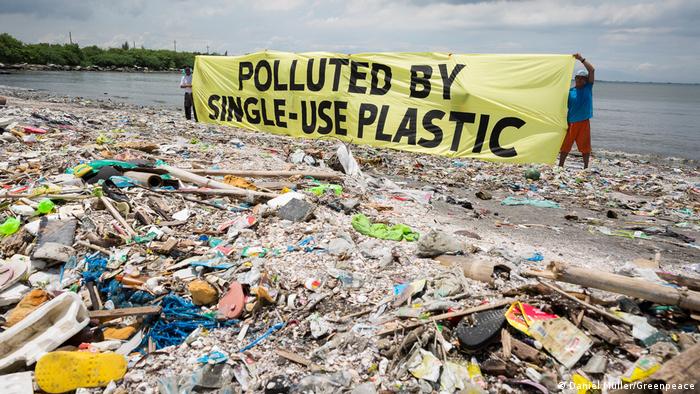
If we don't do anything soon, the study predicts that by 2025, some 17.5 million tonnes of plastic may find its way into the oceans in that year alone! That would mean 155 million tonnes more plastic in the oceans between now and then
Addressing the issue of oceans polluted by single-use plastic is a complex and ongoing challenge that requires international cooperation, legislation, consumer behavior changes, and innovation in materials and waste management. The health of our oceans and the ecosystems they support depend on effective measures to reduce plastic pollution.
Countries need to look at how they manage their waste in the coming years, so that less rubbish ends up being thrown into the sea. In developed countries, we need to stop the wasteful practices like using disposable plastic shopping bags.
We Must Eliminate Plastic Waste In Our Environmant NOW
Everyone agrees that non-biodegradable plastic waste does not belong in our oceans or anywhere in the environment.Stop Polluting Our Planet.
Join us at Green Planet Advertiser.
Let's pave the way for a sustainable future together. Whether you're a vendor looking to expand your global reach or a consumer seeking the latest renewable energy innovations, our platform is your gateway to a greener, cleaner, and more sustainable world. Together, we'll create a brighter tomorrow powered by renewable energy.
purchase your space