
The Good,The Bad and The Ugly.
Although hydroponics has been around since research was first conducted in the 18th century. Since then, its popularity has grown in leaps and bounds showing us how to grow plants in small spaces with water and nutrient solutions without the use of soil
Hydroponics Gardening
Hydroponic gardening will work anywhere in the world from severe cold to extremely arid conditions. It is highly possible that a hydroponic system will be able to feed the world's population.
There are various pros and cons to hydroponic plant growth from growing herbs, and vegetables to seedlings and flowers. There are many different garden ideas, this one is best to optimise space without use of soil. If gardening is your favourite hobby, then try hydroponic gardening for a change. It can be fascinating.
So, what is hydroponic gardening? It is an interesting way to grow plants without the use of soil. The idea is to grow plants in water containing soluble minerals.
Soil is not necessary for plant growth, but water and minerals are. So you will be providing these vital elements for your favourite plants to grow.
Unlike normal gardening, you have to introduce the minerals to the water and not the soil. So they mix well with the water and get absorbed quickly. The best thing about hydroponics is that any kind of plant can be grown using this method.
Advantages: ... (The Good )
Just like any process, hydroponics too has its own advantages and disadvantages. Many homeowners choose hydroponic gardening for the benefits it offers. Given below are some of the advantages.
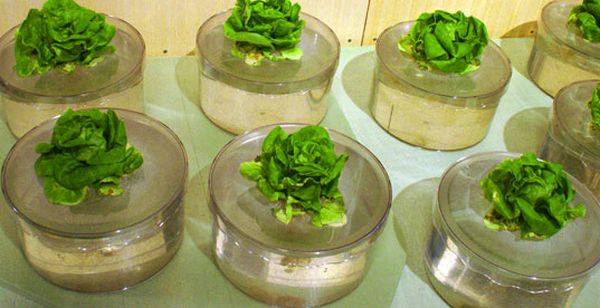
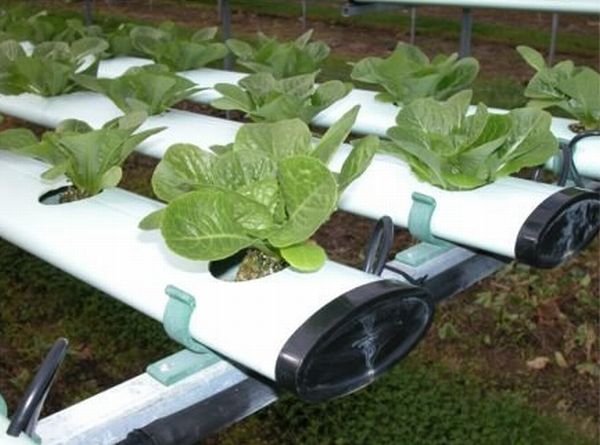
Hydroponic gardening is no longer just for large production farms but for small gardens and in homes. Grow boxes are ideal for small spaces and people living in city dwellings where there is little to no space for a garden. Herb gardens to vegetable gardens, gardeners are enjoying fresh foods in the dead of winter or in areas that growth is literally impossible due to the elements.
Using water filters and plant lights along with a nutritional solution, growth is faster and, in many cases, developing a healthier stock. In classic gardening a great deal of water is spent in gardens whereas hydroponics' water source is recycled and therefore a great deal less water is needed. Due to a hygienic environment, there is a lower risk of pests and diseases. Therefore the use of chemicals and pesticides is practically moot.
Plants are provided with nutritional values throughout their entire life, producing healthier more robust plants. Using plant lights removes the need plants have for seasonal changes allowing for year round growth
Disadvantages ... (The Bad)
Though hydroponic gardens offer a lot of benefits, there are some disadvantages associated with them..
Hydroponics can be a little pricey when first starting off. Purchasing your grow box or grow room, water filters and water treatments can add up. Also a hydroponic garden runs on electricity, so there could be a slight increase in your electrical bill.
Even though hydroponic plants are less susceptible to pests and diseases that doesn't mean it can't happen. Diseases can spread rather quickly because of the recycling of water. This is where understanding the process of water filtering and using water filters will prevent diseases from spreading.

The Ugly
There are some ugly sides of hydroponic gardening too. Unlike other gardens, these gardens rely on power supply. They are easily vulnerable to power outages.
The machines used for providing nutrients to the plants require power for working. If there is an outage, the devices will not function and your plants can be easily damaged due to the lack of nutrients.
They may die as well. So you have to work manually to overcome such situations. This means that you will have to spend more time with your hydroponic garden.
Organic - Yes or No:
There are those who believe that plants grown hydroponic are not organic. In actuality, hydroponic plants can be organic. The natural availability of soil and sunshine do not make plants organic. Organic is growing without the use of chemicals or treatments, instead they grown naturally. Hydroponics uses water and a nutrient solution and both of these elements are organic.
Some plants known as genetically modified food are plants that are modified with various plant genetics, creating highbred or mutant plants. This process is done in order to produce large volumes of plants or in order for produce foods that last a longer period of time. By changing the DNA of plants, pesticides are annihilated because these plants have built in pesticides.
Many believe that modified foods are chemically dangerous to consumers. Environmentalists believe these chemicals are harmful to wild life and our water supplies.
Hydroponics vs. GM Foods:
Hydroponics consists of a water system and nutrients. There are no harmful chemicals used to promote growth because the nutrient solutions allow plants to grow to their most robust levels.
GM foods use chemicals that are injected into the plants to prevent pests. Their genes are also altered leaving most consumers a little squeamish about eating genetically altered food.
Consumers are becoming more aware of the benefits in organically grown foods. Hydroponics is more than capable of giving consumers just what they are looking for.
If you wish to maintain a hydroponic garden you have to be well informed about the whole concept. You need more technical knowledge so that you can support the garden properly by providing the right amount of water, nutrients, lighting etc.
You should also ensure that your plants get adequate supply of warmth and oxygen for proper growth. W hen you are ready with appropriate knowledge, equipment and time, you can maintain a hydroponic garden in your home without facing any difficulties.
Join us at Green Planet Advertiser, and let's pave the way for a sustainable future together. Whether you're a vendor looking to expand your global reach or a consumer seeking the latest renewable energy innovations, our platform is your gateway to a greener, cleaner, and more sustainable world. Together, we'll create a brighter tomorrow powered by renewable energy.
purchase your space