
Advantage and Disadvantage
Air source heat pumps (ASHPs) are a popular and efficient technology for heating and cooling residential and commercial spaces. Like any technology, they come with advantages and disadvantages. Here's an overview of both:
Advantages of Air Source Heat Pumps:
1. Energy Efficiency: ASHPs are highly energy-efficient, especially in moderate climates. They can provide more heating or cooling output compared to the electrical energy they consume, making them a cost-effective choice over time.
2. Renewable Energy Source: ASHPs use the heat from the outdoor air or ground, which is a renewable resource. This can help reduce greenhouse gas emissions and dependence on fossil fuels.
3. Lower Operating Costs: ASHPs typically have lower operational costs compared to traditional heating and cooling systems, such as electric resistance heaters or oil furnaces. This can lead to significant long-term savings on energy bills.
4. Versatility: ASHPs can both heat and cool spaces, providing year-round comfort in one system. They are also often used for heating water, offering additional energy savings.
5. Low Maintenance: ASHPs require minimal maintenance, with basic tasks like cleaning filters and annual check-ups. They have fewer moving parts compared to traditional systems like furnaces, reducing the risk of breakdowns.
6. Zoning Capabilities: Some ASHPs come with zoning capabilities, allowing you to heat or cool specific areas of your home independently. This can lead to further energy savings by not conditioning unused spaces.
7. Government Incentives: Many governments offer incentives, tax credits, or rebates for installing energy-efficient ASHPs, making them more affordable for homeowners and businesses.
Disadvantages of Air Source Heat Pumps:
1. Temperature Limitations: ASHPs may become less efficient as outdoor temperatures drop significantly. In very cold climates, they might require a backup heating source, like electric resistance heaters, to maintain comfortable indoor temperatures. However, newer models are designed to work efficiently in colder conditions.
2. Upfront Costs: The initial purchase and installation of an ASHP can be relatively expensive, although this cost can be partially offset by government incentives and long-term energy savings.
3. Noise: Some ASHPs can produce noise, which may be a concern for homeowners, especially if the unit is located near bedrooms or other quiet areas. However, newer models are quieter than older ones.
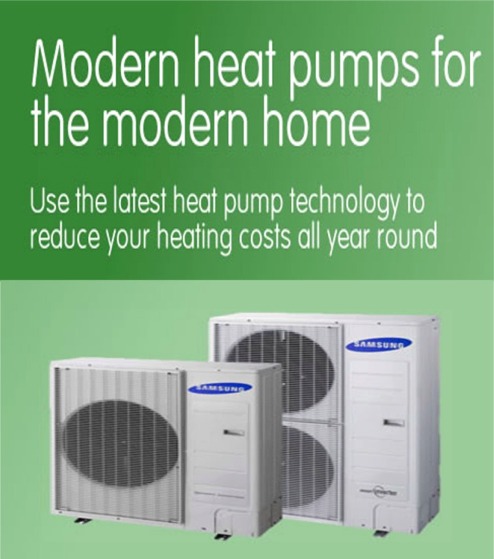
4. Aesthetics: The outdoor unit of an ASHP may not be aesthetically pleasing to some homeowners. It's important to consider its placement and appearance when installing one.
5. Regular Maintenance: While ASHPs generally require less maintenance than traditional systems, they still need periodic check-ups and cleaning to maintain optimal efficiency.
6. Installation Requirements: Proper installation is critical for the efficient operation of ASHPs. The suitability of your property and the quality of installation can affect their performance.
In summary, air source heat pumps offer several advantages, including energy efficiency, lower operating costs, and environmental benefits. However, extreme temperatures can affect their efficiency, and upfront costs may be a barrier for some. Overall, the suitability of an ASHP depends on your climate, budget, and specific heating and cooling needs.